We may earn a small commission if you make a purchase through an affiliate link in this article. As an Amazon Associate we earn from qualifying purchases.
Do Rough Collies shed a lot? Yes. A Rough Collie sheds a moderate amount year-round, and then once or twice a year it “blows” its undercoat and you get fur tumbleweeds in every corner of the house. If you’re thinking about getting a Rough Collie, plan on it. The good news is it’s very manageable once brushing becomes a habit.
In this post:
- So, Do Rough Collies Shed a Lot?
- What Affects How Much a Rough Collie Sheds
- How to Manage Rough Collie Shedding
- Grooming Tips to Help Reduce Shedding
- When Shedding Points to a Health Problem
- Frequently Asked Questions
So, Do Rough Collies Shed a Lot?
Here’s what that looks like in real life:
- Most of the year: steady, light-to-moderate shedding. You’ll see hair on dark clothes and on the floor, but a weekly brush-out keeps it in check.
- During a coat blow (usually spring and fall): the soft undercoat comes out in clumps for a few weeks. This is when you’ll want an undercoat rake and a little extra time.
- Intact females: often drop coat after a heat cycle and after having puppies, so they may blow coat more often than males.
How do they compare? Smooth Collies are double-coated too. The AKC standard calls for a short, dense coat “with an abundance of undercoat” (more on Smooth Collies here). So they shed, just with less volume and no mats. Border Collies are generally double-coated as well. A Rough simply has the most coat, so you see the most fur.
What Affects How Much a Rough Collie Sheds
All dogs shed, but the amount varies from breed to breed and from one Collie to the next. These are the big factors.

Genetics
Genes play a significant role in how much coat a dog carries, and so in how much it drops. Littermates can end up with very different amounts of coat.
Two Rough Collies we’ve written about on this site show it well. Emily Sowulewski, a former Collie Chatter writer, described Gus (Sir Gustav), a 75-pound show-line male, as “very full-coated.” Yoshi, a 53-pound farm Collie, is the one she calls “fox-like.” Gus was always the bigger grooming job by far.
Coat Type
Rough Collies have a double coat. The AKC breed standard describes the outer coat as “straight and harsh to the touch” and the undercoat as “soft, furry and so close together that it is difficult to see the skin when the hair is parted.” That dense undercoat is what “blows,” and it’s most of the fur on your floor.
Seasonal Changes
Rough Collies shed hardest at the change of seasons: in spring they drop the thick winter undercoat, and in fall they make room for a new one.
Age and Hormones
Puppies trade their fluffy puppy coat for an adult coat over their first year or so, and a Rough’s full adult coat can take a couple of years to come in. Emily has written on this site that Yoshi’s coat “thickened over time.” Hormones matter too. Intact females commonly shed heavily a couple of months after a heat cycle and after whelping.
Diet and Nutrition
Hair is mostly protein. A poor diet shows up as a dull, brittle coat that sheds more.

How to Manage Rough Collie Shedding
You can’t stop a Rough Collie from shedding, but you can decide where the hair ends up: in the brush instead of on the couch.
Regular Grooming
Grooming is the single biggest thing you can do. Brushing catches loose hair before it hits the floor, prevents mats, and spreads natural skin oils through the coat.
It takes less time than people expect. Emily wrote about her routine: on average, 15 to 30 minutes once a week per Collie, with Yoshi the 15 and Gus the 30. In her words, “The secret is in the upkeep.” On days when her fibromyalgia and arthritis flared, she did one side of a dog at a time, so a thorough brush-out on Gus could take “a couple/few days.” That’s fine. Consistency beats marathon sessions.
Bathing
A bath and a good blow-dry loosen a lot of dead undercoat during a blow. Don’t overdo it, since frequent baths strip natural oils. And dry right down to the skin. A damp undercoat invites hot spots.
High-Quality Diet
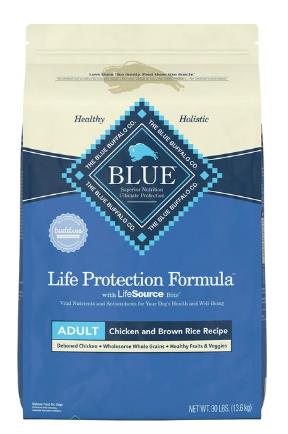
Feed a complete, balanced diet with good-quality protein and fat. Some Collies have touchy stomachs (Gus did), so switch foods gradually.
Blue Buffalo
Taste of the Wild

A note on grain-free foods: starting in 2018 the FDA looked into a possible link between some grain-free diets and a heart condition called dilated cardiomyopathy (DCM). No cause-and-effect link has been proven, but talk to your vet before you switch your Collie to a grain-free formula.
Supplements
Omega-3 fatty acids (fish oil) can improve skin and coat condition. Check with your vet before adding any supplement.
Omega-3 Soft Chews

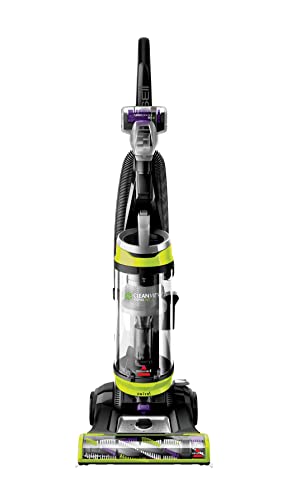
Recommended Vacuum Cleaners
Even with great brushing, you’ll want a vacuum that can handle fine undercoat. Our readers recommended these two.

Grooming Tips to Help Reduce Shedding
Brushing
Brush at least once a week, and more often during a blow. Part the hair and brush down to the skin. Skimming the top leaves dead undercoat packed underneath. A pin brush does most of the work. A slicker brush finishes and works out small tangles. In our grooming tools post, Emily calls the pin brush “your best friend” for a Rough Collie.
Use a wide-tooth comb on the leg feathering, the “pantaloons,” and the soft hair behind the ears. Those are the spots that mat first.


De-shedding Tools
When the undercoat comes out in clumps, a long-tooth undercoat rake saves a lot of time over a pin brush alone. Go gently: lift loose undercoat, don’t scrape skin. Go easy with blade-style de-shedders on a Rough, since overuse can cut and thin the outer coat.

Trimming
Rough Collies don’t need haircuts, but a few spots need tidying: the hair between the paw pads and around the feet, the hocks, and a “sanitary path” under the tail.

Nail Care
Trim nails regularly so they don’t overgrow and throw off how your Collie stands and walks. If your dog hates it, go slowly. Gus came to Emily at a year old, freshly shaved and not used to handling. She won him over to brushing with lots of food rewards and started nail trims one nail at a time, with a treat after each, then faded to one treat per paw.

When Shedding Points to a Health Problem
Normal shedding is even, and the skin underneath looks healthy. Call your vet about bald patches, red or flaky skin, constant scratching, sores, or a sudden coat change that doesn’t match the season.

Allergies
Environmental and food allergies cause itching, and the scratching and chewing lead to hair loss. Itchy paws, ears, and muzzle are classic signs. Ask your vet about treatment.
Parasites
Fleas, ticks, and mites can all cause itching and hair loss. Keep your Collie on a regular parasite prevention program. Many Collies carry the MDR1 gene mutation, so check which products are safe for your dog.
Hormonal Imbalances
Hormonal imbalances such as hypothyroidism or Cushing’s disease can cause coat changes, including thinning, hair that doesn’t grow back, or unusual shedding. A blood test can check.
Skin Infections
Bacterial or fungal skin infections can cause hair loss. Hot spots are common in heavily coated breeds, especially when moisture or dead undercoat gets trapped against the skin. Gus had recurring hot spots. If you see redness, swelling, oozing, or a bad smell, get it treated right away.

Frequently Asked Questions
Are Rough Collies hypoallergenic?
No. A double-coated shedder like the Rough Collie spreads plenty of hair and dander. If someone in your home has dog allergies, spend time around Collies before you commit.
How often should I groom my Rough Collie?
At least once a week for a thorough brush-out, and more often (even daily) during a coat blow.
Can I shave my Rough Collie to reduce shedding?
Please don’t. The double coat protects a Collie from heat, cold, and sunburn, and a shaved coat can grow back patchy or uneven. Shaving also doesn’t stop shedding. You just get shorter hair everywhere. If heat is the worry, brush out the dead undercoat instead. We have more on that in Rough Collies and Florida heat.
The Bottom Line
Do Rough Collies shed a lot? Yes. Rough Collies are moderate to heavy shedders, especially during seasonal coat blows. A weekly brush-out, the right tools, a good diet, and regular vet care keep it manageable.
If you like the fluff, you’re in the right place. Just keep a lint roller by the door.

Other Articles

Are Collies Protective?
Are Rough Collies Aggressive by Nature?